
Now Accepting Blue Cross Blue Shield Patients - Not Impacted by Memorial Hermann Network Changes. Now Accepting Blue Cross Blue Shield Patients - Not Impacted by Memorial Hermann Network Changes.

Gastritis Treatment

Gastritis occurs when the stomach lining becomes inflamed or irritated, which can be due to age, excessive alcohol consumption, or overuse of anti-inflammatories. This can result in prolonged indigestion and constant pain in the upper abdomen. Most of the time, it is easily spotted and treated, but sometimes it can go on without any symptoms, leading to future health issues if not treated properly.
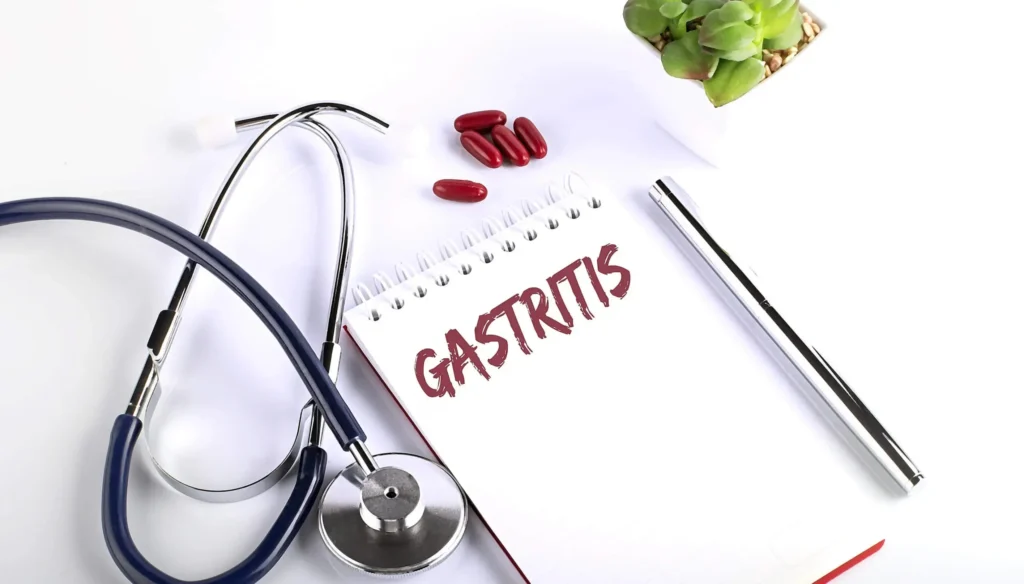
Notebook labeled "Gastritis" with stethoscope, pills, and pen.

What is Gastritis?

Gastritis is an inflammation of the stomach lining, typically caused by factors like infection, excessive alcohol consumption, certain medications, or stress. It often leads to symptoms like abdominal pain, nausea, vomiting, and indigestion. Proper diagnosis and treatment from a gastroenterologist can help manage gastritis and alleviate discomfort.


Man in turquoise shirt holding his stomach.
Man in yellow shirt holding stomach.

Common Gastritis Symptoms

Symptoms of gastritis can vary, but if you experience any of the following for more than a week, it’s a good idea to consult a doctor:

  • Nausea
  • Vomiting – blood or material that looks like coffee grounds

  • Burning ache or pain (constant indigestion) in your upper abdomen that becomes better or worse with eating

  • Indigestion

  • Black, tarry stool

Doctor examining patient's abdomen on medical chair.

Diagnosis of Gastritis

Your doctor may suspect gastritis after a quick examination of your medical history, but in some instances, tests will be necessary to identify the cause. Often, a doctor will test for the bacterium H. pylori, perform an endoscopy, or take an X-ray of your upper digestive system. They look for signs of inflammation in the stomach, small intestine, or esophagus that can help pinpoint and determine the best treatment.

Doctor discussing medication with a patient.

Causes and Risk Factors

Inflammation of the stomach lining commonly arises from an infection caused by the bacteria responsible for the majority of stomach ulcers. Excessive alcohol consumption and frequent use of pain relievers are significant factors associated with this condition. In certain instances, this inflammation can elevate the risk of developing stomach cancer and ulcers.

Treatment Options

The approach to treating inflammation of the stomach lining depends on the severity of the case. In instances of acute inflammation caused by alcohol and pain medication, relief can be achieved by simply discontinuing the use of these substances.

There are also several medications that can treat this, including:

  • Antacids
  • Antibiotics
  • Probiotics
  • Medications that reduce acid

  • Medications that block acid and promote healing

Without proper treatment, pain can lead to ulcers or stomach bleeding. Consult with your physician if you experience any symptoms of gastritis.

Insurance Providers We Accept

We accept a wide range of insurance plans. For insurance coverage that isn’t listed, please contact your closest office location.
Gastro Health & Nutrition medical team

About Our Comprehensive Digestive Health Care

Our expert team helps people identify, treat, and manage their digestive irregularities. Allowing them to have incredible experiences in their lives that otherwise might not have been possible. We provide a comfortable environment in which we educate our patients to fully understand what is affecting their body and how it is best treated. Nuestro equipo es bilingüe.

  • Nutrition & Wellness
  • Digestive Health
  • IBS, Dyspepsia

  • Liver Disease

Frequently Asked Questions

What is gastritis and what causes it?
Gastritis is an inflammation or irritation of the stomach lining. It is most commonly caused by a bacterial infection (such as H. pylori), frequent use of pain relievers (anti-inflammatories), excessive alcohol consumption, age, or stress.
Symptoms can vary, but the most common include a burning ache or pain in your upper abdomen (constant indigestion), nausea, vomiting, abdominal bloating, and loss of appetite. In more severe cases, patients may experience black, tarry stool or vomit that looks like coffee grounds.
If ignored, the prolonged inflammation can lead to severe future health complications. Without proper treatment, chronic gastritis can elevate your risk of developing stomach ulcers, stomach bleeding, and even stomach cancer.
We start with a quick examination of your medical history and symptoms. To identify the specific root cause, our gastroenterologist will often run diagnostic tests such as an endoscopy, an X-ray of your upper digestive system, or a breath, blood, or stool test to check for an H. pylori bacterial infection.
Treatment plans are customized based on the cause and severity of your condition. Options include antibiotics (if H. pylori is present), antacids, probiotics, and medications that block or reduce excessive gastric acid to promote healing. We also focus on holistic care by helping you implement dietary adjustments and eliminate irritants like alcohol or specific pain relievers.