Now Accepting Blue Cross Blue Shield Patients - Not Impacted by Memorial Hermann Network Changes. Now Accepting Blue Cross Blue Shield Patients - Not Impacted by Memorial Hermann Network Changes.

Colorectal Cancer Screening

Colorectal cancer is a serious form of cancer that can develop within the rectum or colon. Early detection of cancer cells significantly increases the chances of successful treatment. There are various causes and risk factors that can heighten your likelihood of developing cancer.

Colorectal Cancer Screenings at Gastro Health! Stethoscope and blue awareness ribbon on table.

What is Colorectal Cancer?

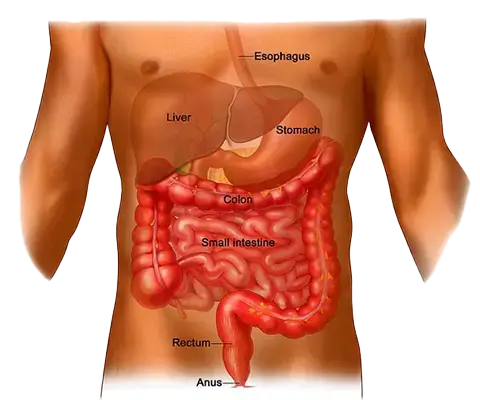
Colorectal cancer specifically affects the rectum and colon sections of the large intestine. It typically develops along the intestine lining. While symptoms may eventually appear, they might not be noticeable until the cancer has spread beyond the colon and rectum. Regular screenings for colorectal cancer are essential for early detection, which could allow for effective treatment without severe health complications. Possible symptoms indicating the presence of cancer include:

  • Constipation, diarrhea, nausea, or vomiting
  • Persistent fatigue
  • Unexplained weight loss
  • Feeling that your bowels aren’t fully emptying
  • Blood in your stool
  • Cramps and frequent gas
  • Narrow stools
Human torso showing digestive system organs.
colorectal cancer lifestyle risk factor

What Causes Colorectal Cancer?

The exact causes or colorectal cancer symptoms remain unknown. However, several risk factors may increase your chances of developing this form of cancer. Many of these factors can be modified to reduce your risk. Being overweight or obese, smoking, excessive alcohol use, and physical inactivity are common risk factors for colorectal cancer. A family history of this cancer or past experience with irritable bowel syndrome could also place you at higher risk. Colorectal cancer is especially common among individuals over the age of 50.
Doctor examining patient's abdomen on medical chair.

Do I Need A Colorectal Cancer Screening?

Regular colorectal cancer screenings every few years are advisable to detect cancer cells in the rectum or colon. Individuals over the age of 50 should schedule a screening at least once per year. The two types of tests available include stool-based tests and visual exams, with the former being the less invasive option. To check for signs of colorectal cancer, schedule a screening today. At Gastro Health & Nutrition, we offer colonoscopy treatment services. We prioritize ensuring your screening experience is as smooth and comfortable as possible.

Insurance Providers We Accept

We accept a wide range of insurance plans. For insurance coverage that isn’t listed, please contact your closest office location.
Gastro Health & Nutrition medical team

About Our Comprehensive Digestive Health Care

Our expert team helps people identify, treat, and manage their digestive irregularities. Allowing them to have incredible experiences in their lives that otherwise might not have been possible. We provide a comfortable environment in which we educate our patients to fully understand what is affecting their body and how it is best treated. Nuestro equipo es bilingüe.

  • Nutrition & Wellness
  • Digestive Health
  • IBS, Dyspepsia

  • Liver Disease

Frequently Asked Questions

Why is colorectal cancer screening so important?
Colorectal cancer is highly preventable and treatable when caught early. Regular screenings allow gastroenterologists to find and remove precancerous polyps before they have the chance to develop into cancer, and they help detect existing cancer in its earliest, most curable stages.
Current medical guidelines recommend that adults at average risk begin regular colorectal cancer screenings at age 45. However, if you have a personal or family history of colon cancer, polyps, or inflammatory bowel disease, we may recommend starting your screenings at an earlier age.
The gold standard for screening is a colonoscopy, as it allows us to both detect and remove polyps during the exact same procedure. Other options include non-invasive stool DNA tests and fecal immunochemical tests (FIT), though a follow-up colonoscopy is required if these tests return abnormal results.
Yes. Precancerous polyps and early-stage colorectal cancer typically cause no symptoms at all. By the time symptoms do appear—such as changes in bowel habits, abdominal pain, or unexplained weight loss—the disease is often in a more advanced stage, making routine screening critical.
While the preparation requires you to empty your colon so we have a clear view of your digestive tract, modern prep solutions are much easier to tolerate than in the past. We provide clear, step-by-step instructions that typically involve a clear liquid diet the day before your procedure and a prescribed bowel prep drink.