
Now Accepting Blue Cross Blue Shield Patients - Not Impacted by Memorial Hermann Network Changes. Now Accepting Blue Cross Blue Shield Patients - Not Impacted by Memorial Hermann Network Changes.

IBS Treatment

Experiencing IBS symptoms such as abdominal pain and a change in bowel habits? Whether it includes diarrhea, constipation, or both, you may end up feeling like your bowel movement isn’t finished yet. Mainly affecting the large intestine, you can feel gassy and bloated a majority of the time. Although this is a chronic condition, Gastro Health and Nutrition gastroenterologists are able to treat you in order to help you return to the normal you experienced before.

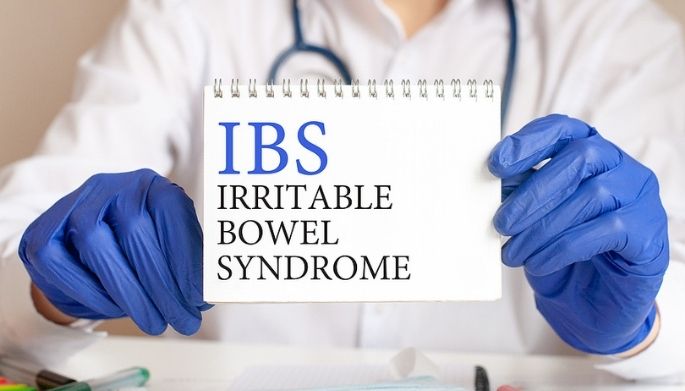
Doctor holding a sign reading "IBS Irritable Bowel Syndrome."

What is Irritable Bowel Syndrome (IBS)?

Irritable bowel syndrome is a prevalent but chronic condition that primarily affects the large intestine. It manifests through various symptoms, such as excessive gas, cramps, and abdominal pain, which directly impact the digestive system. It’s important to note that while IBS affects the gastrointestinal tract, it does not cause any structural damage nor elevate the risk of developing colon cancer.


Man in turquoise shirt holding his stomach.
Woman in pain holding her stomach.

What Are Some Common IBS Symptoms?

A very small number of individuals experience severe signs and symptoms of IBS. Common symptoms of IBS include abdominal pain within the lower half of the abdomen and bloating. If you experience any of the following symptoms regularly, contact Memorial City, Gastro Health and Nutrition today for an appointment. These symptoms include:

  • Diarrhea, constipation, or a constant alternation between the two

  • Mucus in the feces

  • Excessive gas

  • Bowel movements that are looser or harder than normal

Causes and Risk Factors

Although there is no definitive cause, most researchers believe a combination of experiencing brain-gut dysfunction, dysmotility, and visceral hypersensitivity all can lead or contribute to IBS. In each of these cases, there is a consistent pattern of dysfunction between nerves within the GI tract and how they communicate with the body and hinder its ability to move food throughout the tract. 
Doctor examining elderly patient lying on bed.

Diagnosis of IBS

In order to diagnose an individual with IBS, Memorial City, Gastro Health and Nutrition will first collect medical history and complete a physical exam. Depending on other factors or symptoms present, a doctor may order a colonoscopy in order to examine the issues in more detail.

Treatment Options

Because IBS is a chronic condition, there is no definite formula to follow that works for everybody. Symptoms can be improved by increasing fiber intake, avoiding caffeine, limiting dairy intake, and exercising regularly. Let Memorial City, Gastro Health and Nutrition personalize a treatment plan for you today that will help fit your lifestyle!

Insurance Providers We Accept

We accept a wide range of insurance plans. For insurance coverage that isn’t listed, please contact your closest office location.
Gastro Health & Nutrition medical team

About Our Comprehensive Digestive Health Care

Our expert team helps people identify, treat, and manage their digestive irregularities. Allowing them to have incredible experiences in their lives that otherwise might not have been possible. We provide a comfortable environment in which we educate our patients to fully understand what is affecting their body and how it is best treated. Nuestro equipo es bilingüe.

  • Nutrition & Wellness
  • Digestive Health
  • IBS, Dyspepsia

  • Liver Disease

Frequently Asked Questions

What is Irritable Bowel Syndrome (IBS)?
Irritable bowel syndrome is a prevalent, chronic gastrointestinal condition that primarily affects the large intestine. It involves a communication breakdown between the brain and the gut, leading to disruptions in normal digestive tract functioning.
Common symptoms include abdominal pain in the lower half of the abdomen, severe bloating, excessive gas, and mucus in the stool. Patients also frequently experience diarrhea, constipation, or a constant alternation between the two.
No. While IBS is a chronic condition that can cause significant discomfort and disrupt your daily life, it does not cause any structural damage to your gastrointestinal tract, nor does it elevate your risk of developing colon cancer.
Although there is no single definitive cause, most researchers believe IBS results from a combination of brain-gut dysfunction, dysmotility, and visceral hypersensitivity. This creates a pattern of miscommunication between the nerves in your GI tract and your body, hindering the normal movement of food.
Diagnosis typically begins with a thorough medical history and physical exam, and may include a colonoscopy to rule out other issues. Because IBS affects everyone differently, treatment is highly personalized. We often recommend lifestyle and dietary modifications, such as increasing fiber, limiting dairy, avoiding caffeine, and exercising regularly, alongside specific medications to manage your symptoms.