
NASH Treatment
Non-Alcoholic SteatoHepatitis, or NASH, is the most severe form of Non-Alcoholic Fatty Liver Disease (NAFLD). This condition involves excess fat being stored in liver cells, which hinders liver function. The buildup of fatty cells in this case is not related to alcohol consumption.
NASH Symptoms?
Often referred to as the silent liver disease, early stages of NASH may produce no symptoms, and many people don’t realize they have it. Additionally, indicators are nonspecific, making diagnosis difficult. As the condition progresses and cirrhosis develops, symptoms may include:
Intense Itching
- Fatigue
Jaundice
- A swollen belly
Causes and Risk Factors
The exact cause of NAFLD or NASH is unknown, but it is most common in people who are obese or have diabetes or pre-diabetes.

Diagnosis of NASH

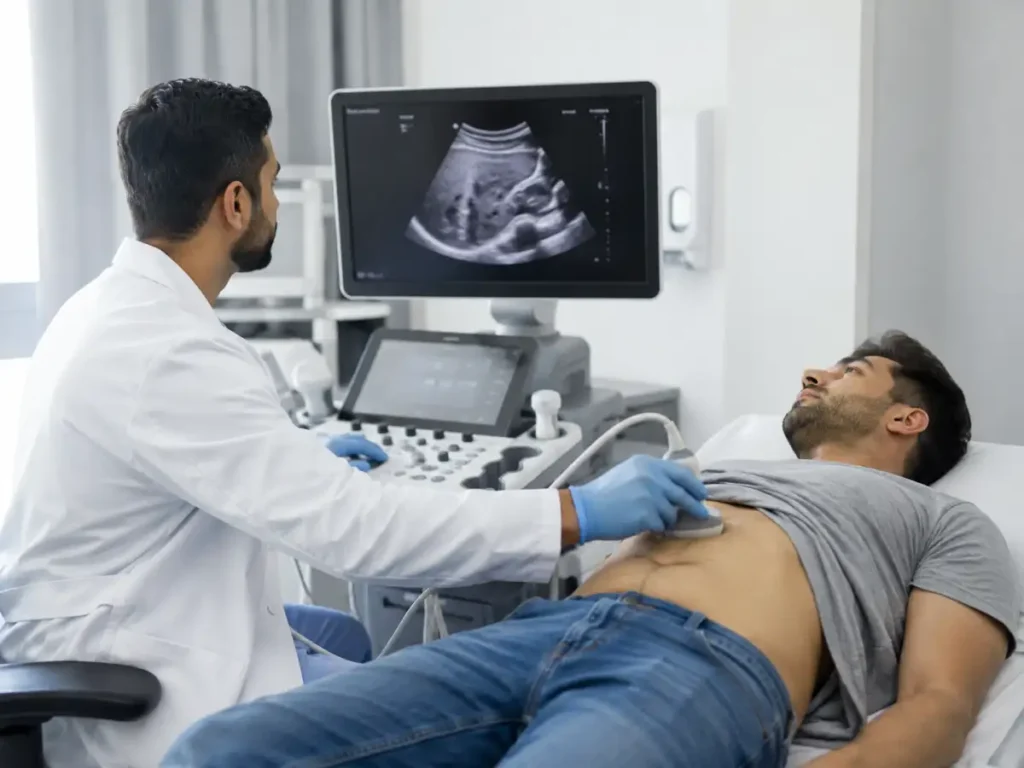
Non-Alcoholic SteatoHepatitis is typically discovered during a routine blood test or screening for a different medical condition. At this point, your doctor may notice high levels of liver enzymes or an enlarged abdomen during an ultrasound, indicating potential fatty liver disease. Your doctor will then conduct a series of tests, including a physical to determine your BMI, blood tests, liver biopsy, and/or imaging tests. These tests will confirm whether you have fatty liver disease and allow your doctor to develop appropriate treatments.
Treatment Options
The first recommendation your doctor is likely to make is to lose weight. Since being overweight is one of the main indicators of NASH, weight loss can help combat the condition and reduce fat in your liver. If diabetes is believed to be a direct cause, your doctor will have you start monitoring your blood sugar and taking the appropriate medications. Additionally, your doctor will likely advise you to stop drinking alcohol, be cautious with dietary supplements, and consult your provider before taking any supplements. This will help protect your liver and prevent any additional damage. Without proper and timely treatment, NASH can progress quickly and become life-threatening. Increased awareness and education about Non-Alcoholic SteatoHepatitis can lead to earlier diagnoses and more precise treatments.
Insurance Providers We Accept
We accept a wide range of insurance plans. For insurance coverage that isn’t listed, please contact your closest office location.
About Our Comprehensive Digestive Health Care
Our expert team helps people identify, treat, and manage their digestive irregularities. Allowing them to have incredible experiences in their lives that otherwise might not have been possible. We provide a comfortable environment in which we educate our patients to fully understand what is affecting their body and how it is best treated. Nuestro equipo es bilingüe.
- Nutrition & Wellness
- Digestive Health
IBS, Dyspepsia
Liver Disease
Frequently Asked Questions
What is NASH?
NASH (Non-Alcoholic SteatoHepatitis) is the most severe form of Non-Alcoholic Fatty Liver Disease (NAFLD). It involves excess fat being stored in liver cells and causing inflammation (hepatitis) that is completely unrelated to alcohol consumption. If left untreated, it can lead to irreversible liver damage, such as fibrosis or cirrhosis.
What are the common symptoms of NASH?
NASH is often referred to as a “silent liver disease” because the early stages typically produce no symptoms at all. As the condition progresses and liver scarring develops, symptoms may include intense itching, severe fatigue, jaundice (yellowing of the skin or eyes), and a swollen belly.
Who is most at risk for developing NASH?
While the exact cause is unknown, NASH is most commonly found in people who have obesity, Type 2 diabetes, pre-diabetes, insulin resistance, or high cholesterol.
How is NASH diagnosed?
NASH is usually discovered incidentally during routine blood panels that show elevated liver enzymes, or through an ultrasound for an unrelated issue that reveals an enlarged liver. To confirm the diagnosis and check for scarring, doctors use a combination of BMI assessments, comprehensive blood tests, advanced imaging studies, and sometimes a liver biopsy.
How is NASH treated and can it be reversed?
Because NASH is closely tied to metabolic health, the first line of treatment is typically lifestyle modification. This includes supervised weight loss, better blood sugar control, eating a healthy diet, and avoiding alcohol and unapproved supplements. When identified early and paired with the right interventions, the progression of NASH can be successfully slowed or reversed.